

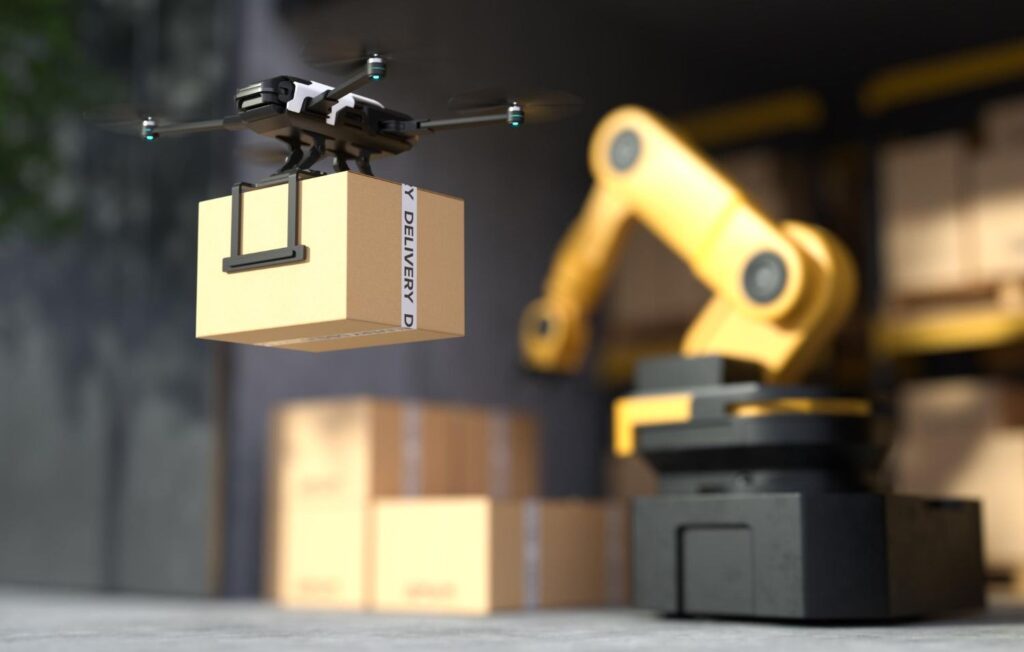
We have been talking to people working in logistics around Kerala and beyond, and the one thing everyone agrees on is how quickly things are changing. What used to be straightforward warehouse work or truck scheduling now involves AI-powered planning, warehouse automation, digital tracking, and faster last-mile delivery models.
For students who want to build a career in supply chain or logistics, ignoring these shifts means getting left behind. This post looks at the biggest trends I see playing out in 2026 and the practical things students should focus on right now.
Why everything feels like it’s moving so fast
A few big things are pushing the change:
– Online shopping keeps growing, especially quick commerce
– Customers want faster and more accurate deliveries
– Supply disruptions from the last few years made companies rethink everything
– Businesses want to cut costs while looking greener
– New tech is finally affordable enough for mid-size companies to use
Companies that don’t adapt lose customers or pay more than they should. That creates real demand for people who understand both the old-school operations and the new tools.
1. AI is already doing real work in supply chains
Forget the sci-fi version. AI in 2026 is mostly about crunching numbers better than a human can.
What it’s doing day to day:
– Forecasting demand by looking at past sales, weather patterns, festivals, and even social media buzz
– Telling warehouses exactly how much to keep in stock so you don’t have too much money tied up or angry customers when things run out
– Planning truck routes that save fuel and time while dodging traffic
– Spotting risks early, like a supplier who might delay or a sudden spike in orders
You don’t need to code AI yourself, but knowing the basics helps a lot.
Start with:
– How to use Excel for simple forecasting and pivot tables
– Understanding what an ERP system dashboard shows
– Reading basic reports from demand planning tools
People who can talk intelligently about these things get noticed faster in interviews.
2. Warehouses are turning into automated hubs
The days of everything being moved by hand are fading in bigger facilities.
What you see more of now:
– Automated storage racks that bring pallets to the picker instead of the other way around
– Conveyor belts with sensors sorting packages automatically
– Robots that pick small items or move heavy ones
– Smart scanners and digital labels updating stock in real time
Example from a fulfilment centre I heard about: Goods come in, get scanned, system decides the best shelf spot, a robot takes it there, and inventory updates without anyone typing. Fewer mistakes, faster work, safer for people.
Skills worth picking up:
– How Warehouse Management Systems (WMS) work
– Using barcode and RFID scanners
– Basic inventory counting and cycle checks
– Spotting where processes can be smoother
Even if you’re not operating the robots, knowing how they fit into the flow makes you useful from day one.
3. Last-mile delivery is the new battleground
This is the final leg: getting the package from the local hub to your door. It’s expensive and tricky, but customers judge the whole company on how this part goes.
What’s changing fast:
– Software that plans routes in real time with traffic and order priority
– Apps that let customers watch the delivery live
– Small local warehouses (micro-fulfilment centres) in cities for same-day service
– More electric bikes, vans, and even some drones in trials
– Pickup lockers in apartments or malls
Quick commerce brands are pushing for 30-minute to 2-hour delivery in cities, so this area is hiring a lot.
Roles that open up:
– Delivery coordinator
– Route planner
– Last-mile operations executive
– Customer service linked to tracking
If you understand route software or how lockers work, you stand out.
4. Everything is getting connected digitally
Companies don’t use separate systems anymore. They link:
– ERP for overall business
– SCM software for planning
– TMS for transport
– WMS for warehouses
When they talk to each other, you get real-time stock visibility, automatic purchase orders when levels drop, and better supplier chats.
Start simple: Get comfortable with ERP screens, learn how data flows between systems, and practise pulling reports.
5. Green logistics is no longer optional
Customers and governments are pushing for lower emissions. Companies respond with:
– Electric vehicles for city deliveries
– Better route planning to cut fuel
– Recyclable or less packaging
– Tracking carbon footprint per shipment
People who can talk about sustainable choices (without being preachy) get extra points in interviews.
What students should actually focus on right now
If you’re in college or just finished, build a mix of:
Operational basics
– Inventory and warehouse flow
– Procurement steps
– Import-export paperwork
– Basic supply planning
Tech side
– Excel for analysis (really learn pivot tables and formulas)
– ERP and WMS overviews
– Barcode/RFID scanning practice
– Simple data reading from dashboards
Soft/practical
– Problem solving under pressure
– Talking clearly with vendors and teams
– Coordinating between departments
The people who combine these grow quickest.
Jobs and growth in 2026
Openings are strong in:
– E-commerce warehouses
– Pharma and food chains
– Manufacturing suppliers
– Export houses
– 3PL companies
Start as warehouse executive, logistics coordinator, procurement assistant, or analyst. With some experience and upskilling, move to supply chain manager, operations head, or consultant roles. Tech-savvy people climb faster.
How Laurus Institute fits in
Their supply chain courses mix the traditional side with what’s new. You get:
– Warehouse and inventory practice
– ERP and digital tool basics
– Import-export documentation
– Real case examples
– Intro to automation ideas
– Focus on Kerala-relevant industries
It’s built so you walk out ready for the current job market, not five years ago.
Wrapping up
Supply chains in 2026 run on data, automation, speed, and smarter choices. AI, robotics, last-mile improvements, and green thinking aren’t coming—they’re here. Students who start learning these things now will have better options and grow quicker than those who wait.
If you’re serious about logistics or supply chain work, don’t just study theory. Get hands-on with the tools companies actually use.
Thinking about training? Reach out to Laurus Institute about their Supply Chain & Logistics program. Ask when the next batch starts and see if it lines up with what you want to learn.